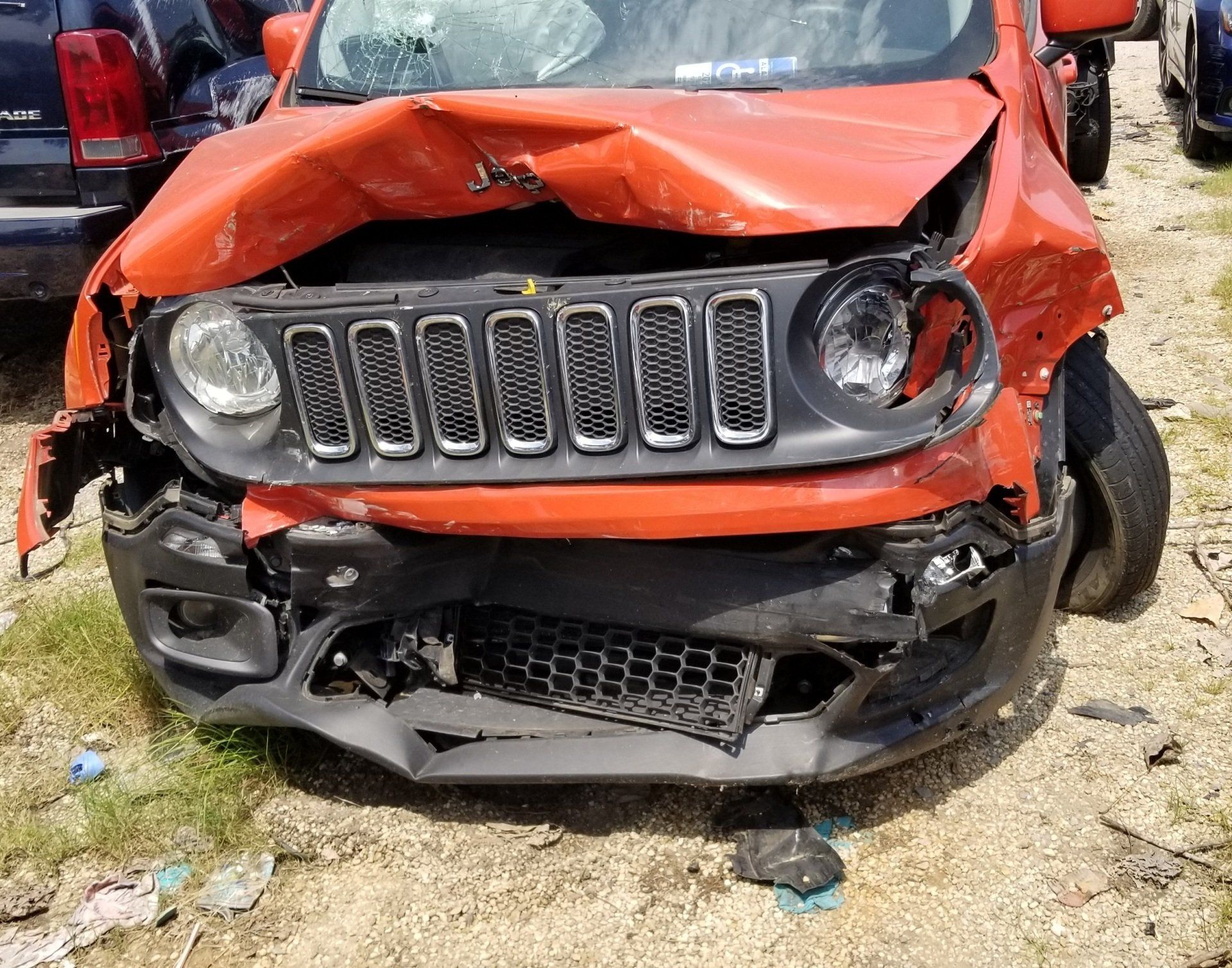
I-65 and I-85 carry an enormous volume of commercial truck traffic through central Alabama every day, and the holiday shipping season only adds to it. When an 80,000-pound tractor-trailer collides with a passenger vehicle, the results are rarely minor.
Truck accident cases are also legally different from ordinary car wrecks. They involve federal regulations, corporate defendants, and evidence that can vanish within days. Here is what victims and their families need to know.
Federal rules govern commercial trucking
Most large trucks on Alabama highways are regulated by the Federal Motor Carrier Safety Administration (FMCSA). Those regulations cover how long a driver can be behind the wheel, how vehicles must be inspected and maintained, how cargo must be secured, driver qualifications and drug testing, and more.
Hours-of-service rules, for example, generally limit property-carrying drivers to 11 hours of driving within a 14-hour on-duty window, with mandatory rest breaks and weekly limits. A violation of these rules is often powerful evidence of negligence.
Who can be held responsible
In a typical car crash, there is one at-fault driver and one insurance policy. In a truck crash, liability may extend to several parties.
- The driver, for speeding, distraction, fatigue, or impairment.
- The trucking company, for negligent hiring, inadequate training, pressuring drivers to violate hours-of-service limits, or poor maintenance.
- The cargo loader or shipper, if improperly secured or overloaded cargo contributed to the crash.
- A maintenance contractor, for failed brakes or tires.
- A parts manufacturer, if a defective component played a role.
Evidence disappears quickly
Modern trucks carry electronic logging devices (ELDs), and many have dash cameras and engine control modules that record speed and braking. Trucking companies are only required to keep some of this data for a limited time, and it is not unusual for records to be overwritten or "lost" after a serious crash.
One of the first things an experienced truck accident attorney does is send a spoliation letter demanding that the carrier preserve all evidence. The sooner that letter goes out, the better.
Why the insurance fight is harder
Federal law requires most interstate carriers to carry at least $750,000 in liability coverage, and many carry far more. That sounds like good news for victims, but it also means the trucking company and its insurer will have investigators and defense attorneys on the scene, sometimes within hours. Their goal is to shape the story before you have told yours.
Alabama's contributory negligence rule
Alabama's contributory negligence rule applies to truck accidents just as it does to car accidents. If the defense can convince a jury that you contributed to the crash in any way, you may recover nothing. Trucking defense teams use this rule aggressively, which is why careful investigation of the truck driver's conduct is so important.
What a truck accident claim can recover
Because injuries in these cases tend to be severe, damages often include current and future medical expenses, lost wages and diminished earning capacity, pain and suffering, and, in cases involving reckless conduct, punitive damages. When a crash is fatal, Alabama's wrongful death law allows the family's personal representative to bring a claim.
Common causes of truck crashes in Alabama
Driver fatigue and hours-of-service violations remain the leading factor in serious trucking crashes, followed by distraction, speeding on rural interstates, improper lane changes, following too closely, and brake or tire failures tied to skipped maintenance. Alabama's stretches of I-65 between Montgomery and Birmingham and I-85 toward Auburn see heavy freight traffic, and crashes there frequently involve out-of-state carriers, which adds jurisdictional questions an experienced attorney will need to resolve.
What to do after a truck crash
Call 911 and get medical attention. If you are able, photograph the truck's cab, trailer, and any company name, DOT number, and license plate visible on it; that information identifies the carrier and its insurer. Note the time and location precisely. Get witness names. Do not speak with the trucking company's representatives or sign anything. Then contact an attorney the same day if possible, because the preservation letter needs to go out immediately.
How HAR Legal handles truck cases
Hawthorne, Atchison & Riddle has experience going up against large carriers and their insurers. We move fast to preserve evidence, we work with accident reconstruction and trucking-industry experts when needed, and we prepare every case for trial. You pay nothing unless we recover for you.
Frequently asked questions
The trucking company's representative wants a statement from me. Should I give one?
Not without an attorney. Anything you say can be used to argue contributory negligence. Politely decline and call us.
The truck driver was cited by police. Does that mean I automatically win?
A citation helps, but civil liability is decided separately. The defense will still look for ways to shift blame.
How long do I have to file?
Generally two years from the date of the crash in Alabama, but evidence preservation needs to start within days.